
Asking a Friend to Play: How to Ask Others to Play (Pre-K & K)
Pending content: session subtitle
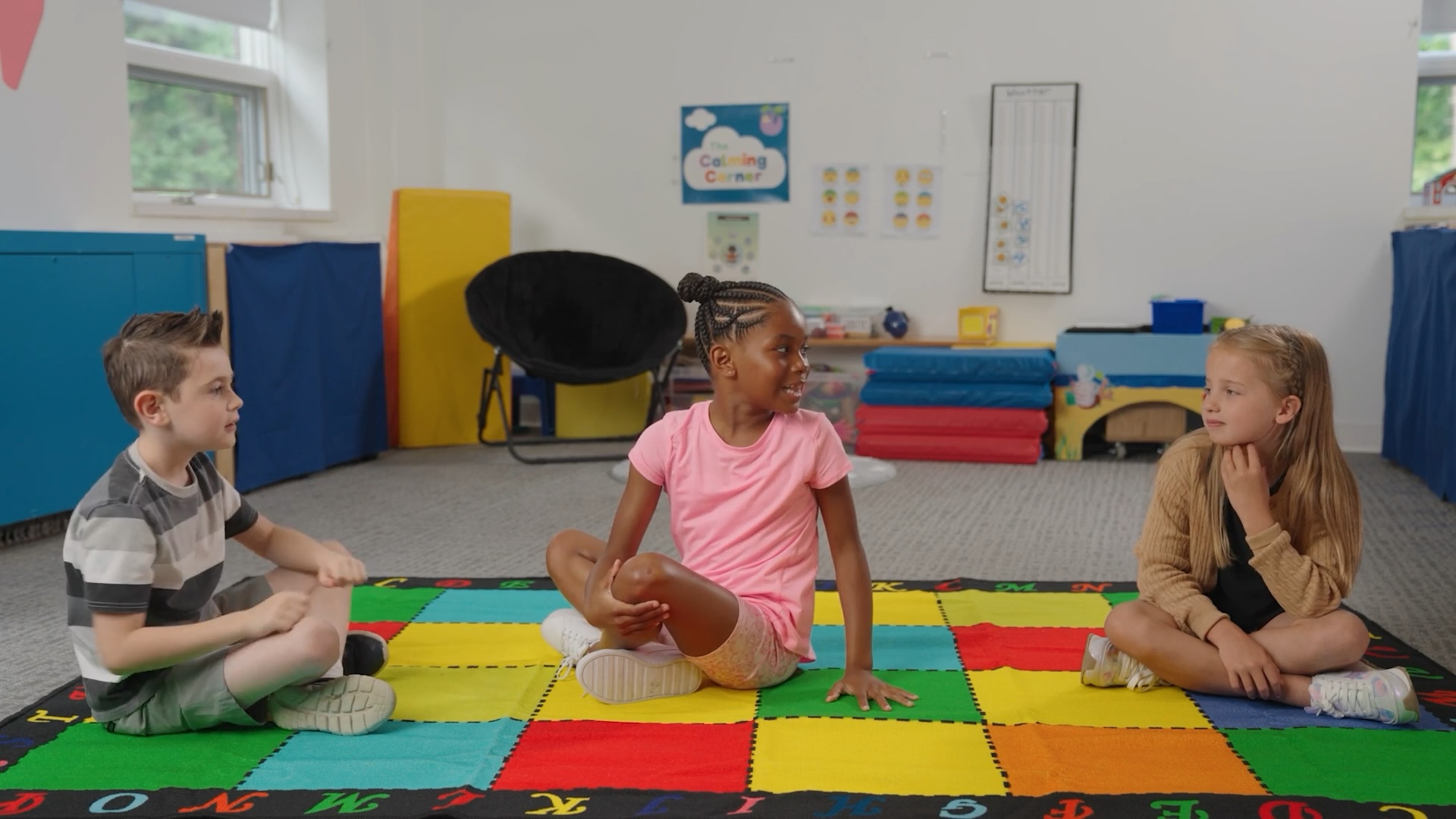
This session teaches asking a friend to play, set in the everyday moment of wanting to join someone during free time. Young learners explore how a person gets a classmate's attention first, then asks nicely to play together. They talk through one way to get a friend's attention, and in a quick story game they hear a situation pause and tell what they could do next. The focus is on joining play in a kind, clear way.

 Extension activity
- Topic
- Friendship
- Focus
- Playing with Others
- Grade level
- Pre-K & K
Get everything you need to teach the skill
Each video modeling lesson is part of a no-prep session designed by our clinical team, with all the structure, scaffolding, and support you need to teach it.
Engaging materials
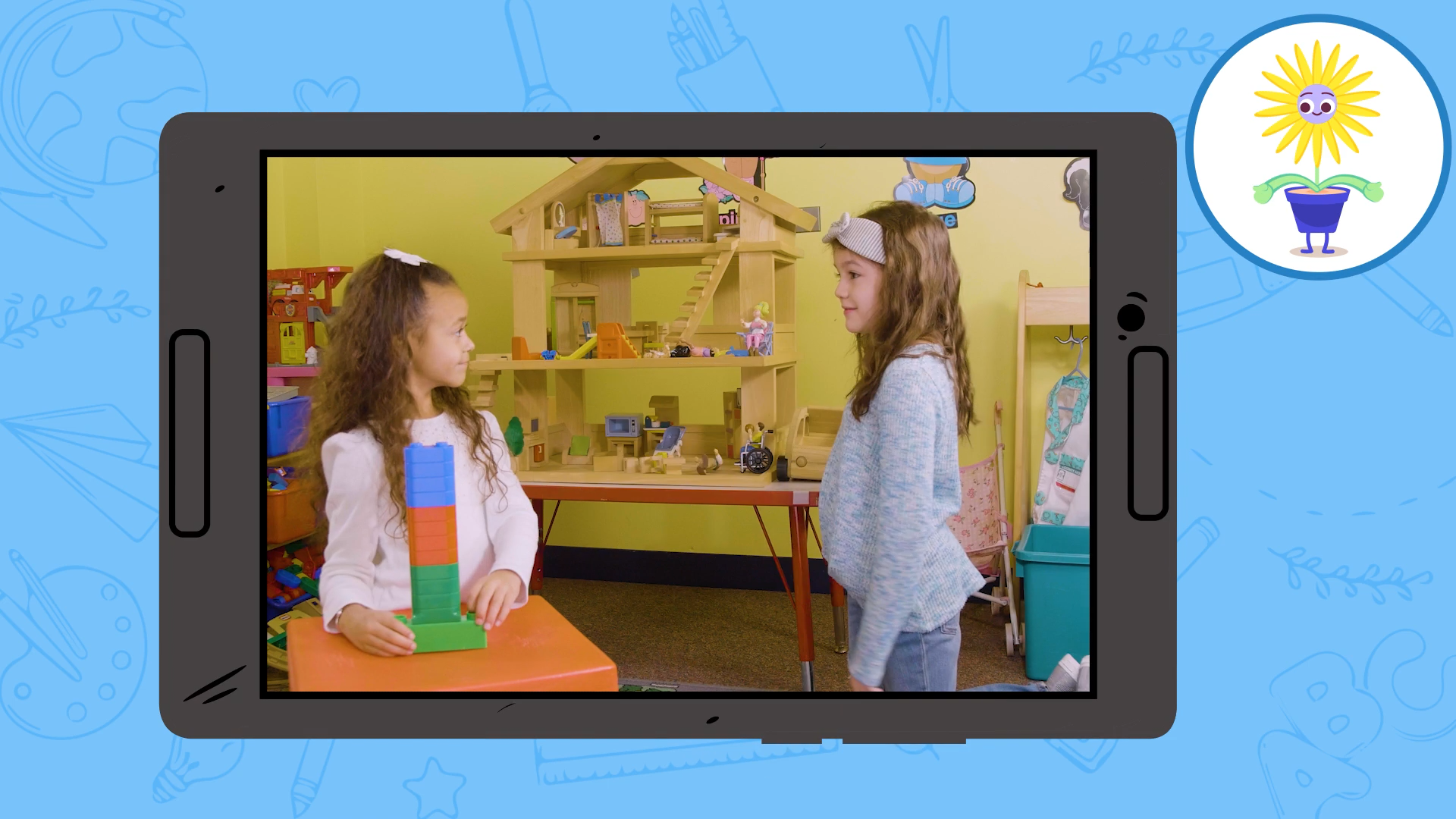 Video modeling lesson
Asking a Friend to Play
Teacher script: We ask someone to play by getting their attention first, then asking nicely if they want to play.
- Extension activity
Interactive Worksheet: Practicing Asking a Friend to Play
Students are given verbal models of ways to ask a friend to play in this interactive activity. When we equip students with the language needed to invite a friend to play, they are more likely to utilize this skill across environments.
Plus everything you need to teach them
Warm-up
- Video: Lion and Cat Breathing3:12
- Video: Our Senses Calming Break2:27
- Video: Yoga Pose Library
Session Opener
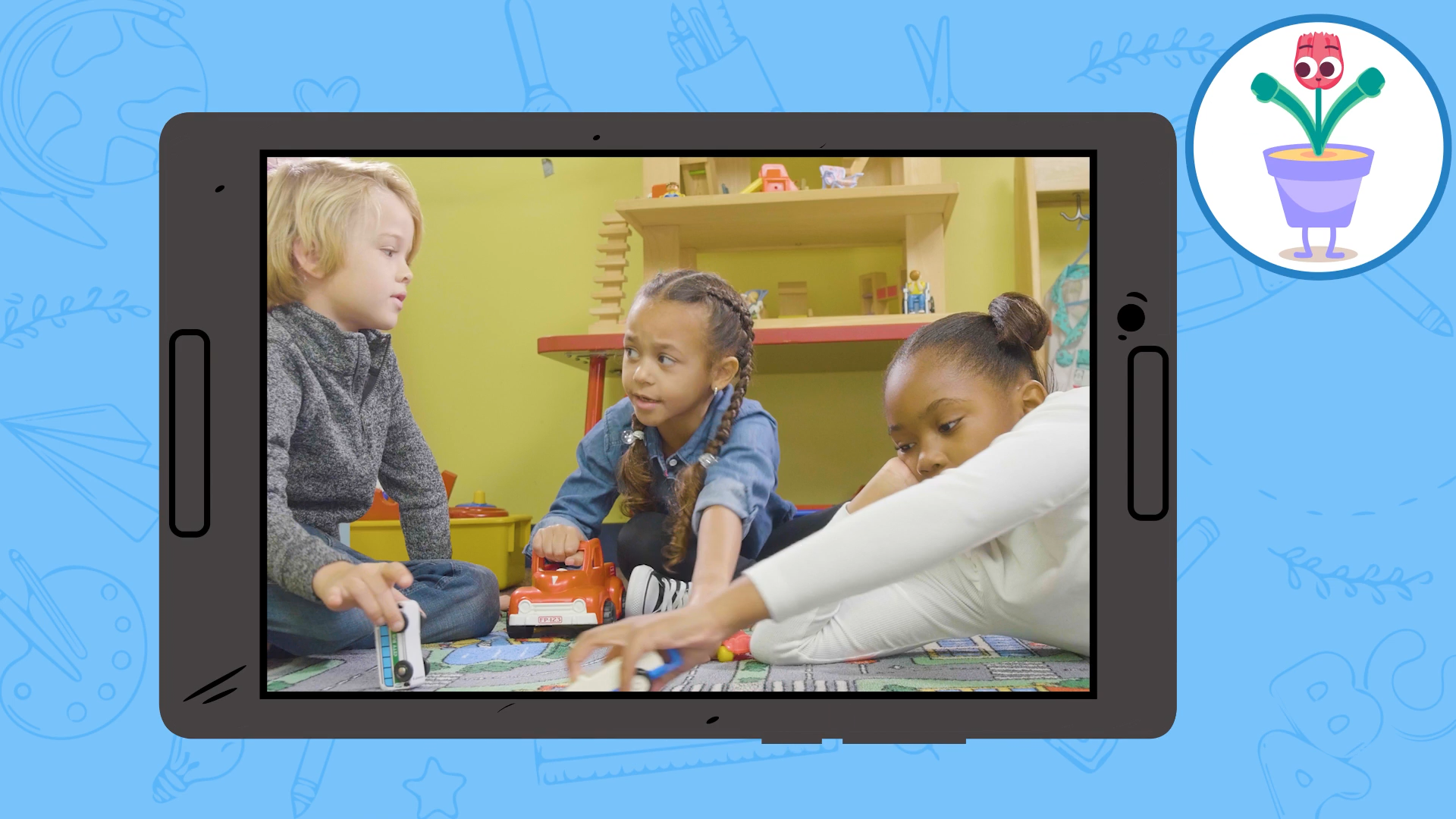
How does a person ask to play?
- Ask Others to Play
- Gain Attention
Practice
- Discussion Question
- Role-Play Activity
- Mini Game
How to use it with your students
- 1Watch Play the video modeling lesson so students see the skill in action.
- 2Practice Try the skill together with a discussion prompt, role-play, or mini game.
- 3Extend Use the extension activity to help students carry the skill further.
Example Session Notes
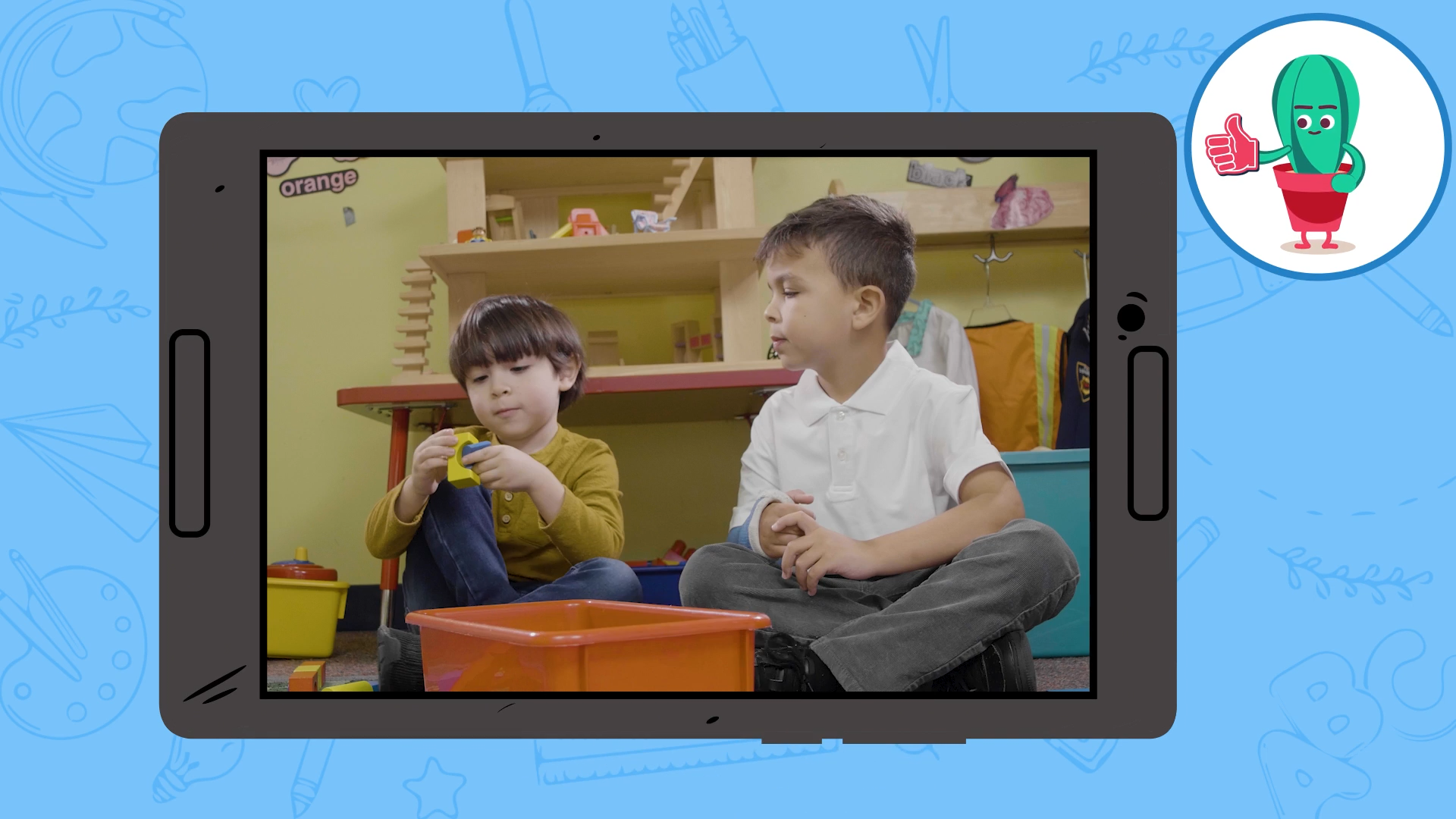
In this lesson, students learned how to ask a friend to play by getting that friend's attention first and then asking in a friendly way. They practiced moving close to a friend, saying a quick hello, and asking nicely if the friend wanted to play. Students also talked about how it's okay to feel a little nervous when asking someone to play.
Key Terms
- Ask Others to Play
- Asking a friend to play means getting their attention first, then asking nicely if they want to play with you.
- Gain Attention
- Gaining attention means putting your body near a friend and saying hi before you talk to them.

Sample IEP Goals This Session Supports
-
Playing with Others
Learner will engage in play with at least one peer by taking turns, contributing to a shared activity, and staying involved for at least X minutes in 4 out of 5 opportunities independently/given X prompt(s).
-
Asking Others to Play
Learner will initiate play with at least one peer using an available communication form (e.g., verbal request, AAC, gesture) in 4 out of 5 opportunities independently/given X prompt(s).
-
Being a Good Sport
Learner will manage feelings of frustration or disappointment during a game by using a self-regulation strategy (e.g., taking a breath, using a self-talk phrase) and continuing to participate in 4 out of 5 opportunities independently/given X prompt(s).
Keep it going after the session
At home or in the community, try naming the steps out loud when a student wants to join someone, like "First go near them, then say hi, then ask if they want to play."
Ready to teach Asking a Friend to Play: How to Ask Others to Play (Pre-K & K)?
Get the video, activity and discussion materials with zero prep.
Get These Materials Free
More Friendship Activities
Frequently asked questions
Is this session free?
Pending content: FAQ answer
What ages is this for?
Pending content: FAQ answer
What's included in the session?
Pending content: FAQ answer
Get access to the full curriculum
A no-prep social skills curriculum with a full scope and sequence that builds student skills over time. MTSS-aligned across every tier, with 400+ whole class lessons and 800+ ready-to-teach sessions.
Start a 30-Day Free Trial
